What Are Chino Pants? A Women’s Apparel Buyer Guide
What are chino pants? Chinos are woven trousers commonly associated with a clean appearance, practical construction and cotton twill fabric. However, the name alone does not define the finished product. Fabric composition, weave, weight, stretch, fit, waistband, pockets, seams, finishing and measurements can all change how a pair of chinos looks and performs.
For fashion brands, retailers, importers, wholesalers and private-label buyers, developing women’s chinos requires more than choosing a colour and leg shape. Buyers can explore Asia Sourcing Limited’s women’s chinos and trousers collection while using this guide to define material, fit, construction and quality requirements more clearly.
The practical question is not only what chinos are, but which chino specification suits the intended customer, market, season and commercial position.
What Are Chino Pants?
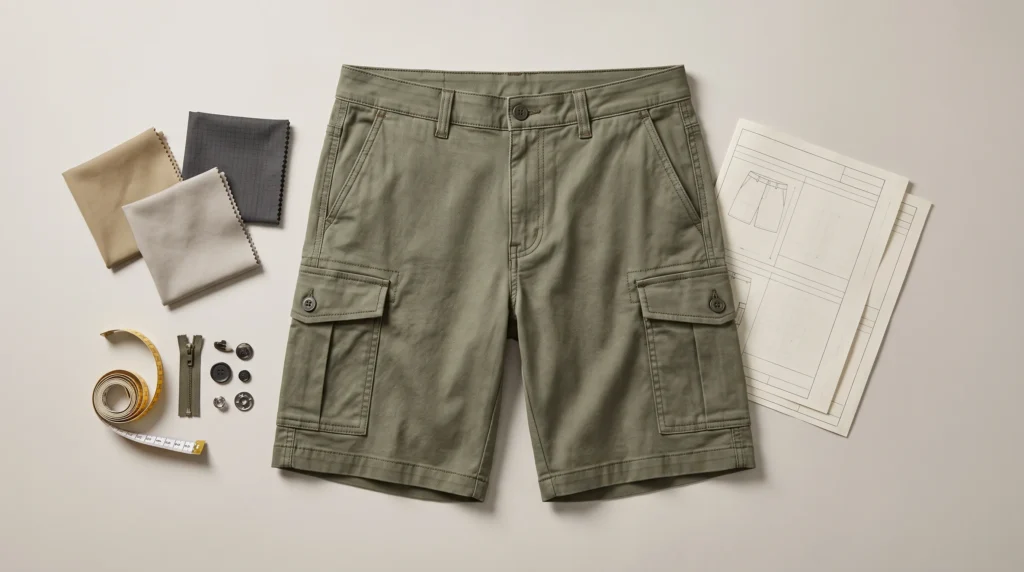
Chino pants are generally woven trousers with a relatively clean, versatile appearance. They are often made from cotton twill or a cotton-blend twill, although modern products may use different fibres, stretch components, weights and finishes. Depending on the design, chinos can be slim, straight, tapered, relaxed, cropped or wide leg.
A product may be described as a chino because of its fabric, styling, construction or market positioning. Terminology varies between brands and regions, so buyers should not rely on the product name as a complete technical description.
What Defines a Chino?
Common chino characteristics may include:
- Woven twill or another structured woven fabric
- A flat-front or lightly pleated front
- Slant, slash or angled front pockets
- Welt, jetted or other relatively clean back pockets
- A waistband with belt loops or another specified waist treatment
- A fly front with a zipper or button construction
- A cleaner surface than heavily washed or distressed denim
- Casual, smart-casual or work-oriented positioning depending on the design
None of these features should be assumed without documentation. A buyer should define the intended fabric, pocket configuration, waistband, closure, seam construction, silhouette and finish in the technical specification.
Chino Pants, Chino Trousers and Regional Terminology
Pants and trousers can refer to the same general garment in different markets. Chino pants and chino trousers therefore often describe a similar product. The word trousers may sound broader or more formal in some contexts, while pants is more common in others.
Technical drawings, material details and measurements are more reliable than regional naming. If a product is intended to be a high-rise women’s tapered chino in stretch cotton twill, the specification should state those details rather than relying only on the word chino.
Women’s Chino Product Decisions at a Glance
The main product decisions should work as one system. Changing the fabric can affect fit, while changing the waistband, pocket or finish can affect appearance, comfort and production complexity.
| Decision area | Question to resolve | Required development output | Why it matters |
| Target customer | Who will wear the product and in which market? | Customer and end-use profile | Directs fit, comfort and styling |
| Product position | Casual, smart-casual, office, uniform or fashion? | Clear merchandising direction | Influences fabric, crease, pockets and finish |
| Fabric | Which composition, weave, weight and stretch level? | Approved fabric standard | Affects structure, movement and durability |
| Silhouette | Slim, straight, tapered, relaxed, cropped or wide leg? | Technical sketch and fit reference | Controls pattern shape and measurements |
| Rise | High, mid, low or another measured position? | Front- and back-rise specifications | Affects waist, hip, seat and comfort |
| Waistband | Straight, contoured, elasticated or another construction? | Waistband and closure details | Influences fit, stability and gaping |
| Pockets | Which front and back pocket types and positions? | Pocket drawings and measurements | Changes function and visual balance |
| Construction | Which seams, reinforcement and hem treatment? | Construction specification | Supports workmanship and durability review |
| Finish | Garment dyed, washed, pressed or another direction? | Approved appearance standard | Can change shade, handle and measurements |
| Quality | What must match the approval? | Test, inspection and tolerance criteria | Makes approval measurable |
What Is Chino Fabric?
Chino fabric is commonly understood as a woven fabric used for chino-style trousers, often with a twill construction. It should not be treated as a single universal material. Fibre composition, yarn, weave, weight, density, stretch, colouration and finishing can vary substantially.
The correct material is the one that supports the intended silhouette, comfort, surface, care and performance requirements.
Cotton Twill Chinos
Cotton twill chinos are associated with a diagonal weave effect, a relatively durable surface and enough body to support clean trouser shapes. The finished handle can range from crisp and structured to soft and relaxed depending on yarn, weight, density and finishing.
Cotton content alone does not define quality. Two fabrics described as cotton twill may differ in weight, surface, strength, shrinkage, colour response and drape. Buyers should approve the exact fabric rather than accepting only a generic fibre description.
Stretch and Blended Chino Fabrics
Stretch components may be introduced when the intended fit requires additional movement or closer body shaping. Extension should be evaluated together with recovery. A fabric that stretches easily but does not recover adequately may contribute to knee, seat or waistband growth.
Other fibre blends may be selected for drape, resilience, hand feel, easy care or commercial objectives. The blend should be reviewed in the proposed weave, colour, finish and garment fit rather than assessed only from the composition label.
Fabric Weight, Density and Seasonal Direction
Fabric weight affects body, comfort, opacity, drape and seasonal positioning, but a higher number does not automatically mean better quality. A lighter fabric may suit warm-weather or fluid products, while a firmer construction may support structured or uniform-inspired chinos.
Buyers should confirm how weight is measured, review the fabric after the intended finishing process and assess it in a representative sample. Exact weight requirements should come from the approved product specification rather than a generic online recommendation.
Colour, Dyeing and Finishing
Chinos are available in neutral, seasonal, dark, light and fashion colours. Colour can be applied through different fabric or garment processes, each of which may affect shade, surface, hand feel and dimensional behaviour.
Where washing or garment finishing is planned, the approved sample should represent the intended route closely enough for meaningful fit and appearance review. Buyers should define colour standards, acceptable shade variation and relevant performance criteria for the actual market.
What Is the Best Fabric for Chinos?
There is no universal best fabric for chinos. The right choice depends on the target customer, silhouette, season, required movement, product position, care expectations and finishing route.
| Product direction | Possible fabric priority | Buyer checks |
| Structured office chino | Body, crease appearance and shape control | Waistband stability, seam appearance and pressing |
| Close or tapered fit | Controlled stretch and recovery | Knee, seat and waist recovery after movement |
| Relaxed casual chino | Comfort, drape and surface softness | Leg balance, pocket behaviour and dimensional stability |
| Warm-weather chino | Lighter handle and wearer comfort | Opacity, seam strength and shape retention |
| Uniform or repeated-use programme | Consistency and defined performance | Shade, measurements, fasteners and agreed testing |
| Fashion-colour chino | Colour and finishing compatibility | Shade consistency, surface change and trim response |
Parts of Pants That Shape Chino Construction
Understanding the main parts of pants helps buyers describe the product accurately and inspect samples consistently. Each component can influence fit, function, workmanship and visual balance.
Waistband and Belt Loops
The waistband determines where the garment sits and how it follows the waist. A straight waistband behaves differently from a contoured waistband shaped to the body. Width, interfacing, extension, closure and attachment should be specified.
Belt-loop number, width, length, position and reinforcement should also be defined. Loops that are uneven, incorrectly positioned or poorly secured can reduce both function and appearance.
Fly and Front Closure
The fly may use a zipper, buttons or another approved construction. The specification should identify extension length, shield or guard construction, top closure, zipper details and reinforcement. The finished fly should lie flat and align with the centre front.
Trouser Pocket Types
Women’s chinos may use slant, slash, side-entry, welt, jetted, patch or utility-inspired pockets. Pocket shape, opening, depth, bag material and placement should match the intended function and silhouette.
Pocket placement also affects perceived fit. Back pockets positioned too low, too far apart or at an unsuitable angle can alter the visual balance of the seat. Pocket symmetry should be checked against measurable references.
Darts, Pleats and Waist Shaping
Darts help shape fabric between the waist and hip. Pleats introduce controlled fullness and may affect the front silhouette, thigh ease and drape. Their number, direction, depth, position and finished behaviour should be documented.
Rise, Crotch and Seat
Front rise, back rise and crotch shape work together. They influence waist position, coverage, movement and seat fit. A single rise label such as high or mid rise is not enough; measurable points and an approved fit reference are required.
Inseam, Outseam and Hem
The inseam and outseam help control leg balance. If pattern shape, cutting, fabric skew or sewing is not controlled, the leg may twist or hang unevenly. Hem width, depth, turn-up, blind stitch, topstitch or cuff construction should match the design.
| Pant part | Main function | Common review point |
| Waistband | Supports waist position and closure | Shape, gaping, width and stability |
| Belt loops | Hold a belt and add styling detail | Position, size and reinforcement |
| Fly | Provides front opening and closure | Alignment, flatness and operation |
| Front pockets | Provide function and shape the hip area | Opening, depth, symmetry and gaping |
| Back pockets | Add function and visual balance | Level, spacing, angle and reinforcement |
| Darts or pleats | Control shaping or fullness | Position, depth and symmetry |
| Rise and crotch | Support coverage, movement and seat fit | Length, shape, tension and excess fabric |
| Inseam and outseam | Form and balance the leg | Twisting, puckering and alignment |
| Hem | Finishes the leg opening | Width, level and stitch appearance |
How Should Women’s Chinos Fit?
Women’s chino fit depends on the intended body profile, rise, waist-to-hip relationship, seat shape, thigh ease, leg silhouette and fabric behaviour. A style can be close at the waist and hip but relaxed through the leg, or easy through the body and tapered toward the ankle.
Waist and Hip Shaping
The difference between waist and hip measurements requires deliberate pattern shaping. Contoured waistbands, darts, yokes or seam shaping may be used depending on the design. Buyers should check whether the waistband follows the body without excessive pressure or gaping.
Pocket bags, facings and closures should not create unwanted bulk around the waist and hip. Fit should be assessed from the front, side and back rather than from one view.
Rise and Crotch Fit
The front and back rise should support the intended waist position and movement. Drag lines, pulling, excess fabric, insufficient coverage or a waistband that shifts during movement may indicate that the rise, crotch curve or body measurements need adjustment.
Fit comments should identify the location and direction of the problem. General comments such as “improve fit” do not provide enough information for a controlled revision.
Leg Silhouettes
Straight, slim, tapered, relaxed, cropped and wide-leg chinos require different knee, calf, hem and inseam relationships. A tapered leg should narrow smoothly without twisting. A wide leg needs enough fabric body or drape to hold the intended line. A cropped length should be defined by measurement rather than name alone.
Fit-Sample Evaluation
A women’s pants fit guide should combine measurements with an on-body or form review appropriate to the target customer. Buyers can assess:
- Waistband position and comfort
- Waist and back-waist gaping
- Hip and seat balance
- Front- and back-rise behaviour
- Crotch comfort and movement
- Pocket opening and placement
- Thigh, knee and calf ease
- Leg twist and seam position
- Inseam and finished length
- Hem level and leg-opening balance
The sample should use the intended fabric or a sufficiently representative material. A change in stretch, weight or finishing can change the approved fit.
Chinos vs Khakis, Trousers and Dress Pants
These terms overlap in everyday use, and market language is not completely consistent. Buyers should treat the comparison as a product-positioning guide rather than an absolute naming rule.
| Product term | Typical association | Possible material direction | Buyer clarification needed |
| Chinos | Clean casual or smart-casual woven pants | Cotton twill or another woven chino fabric | Fit, pockets, finish and intended use |
| Khakis | Khaki-coloured or heritage casual trousers; usage varies | Often cotton twill | Whether khaki means colour, product type or both |
| Trousers | Broad term covering many woven pant categories | Varies widely | Formality, silhouette, construction and fabric |
| Dress pants | More tailored or formal positioning | Suiting or other structured woven materials | Crease, waistband, pockets, drape and finishing |
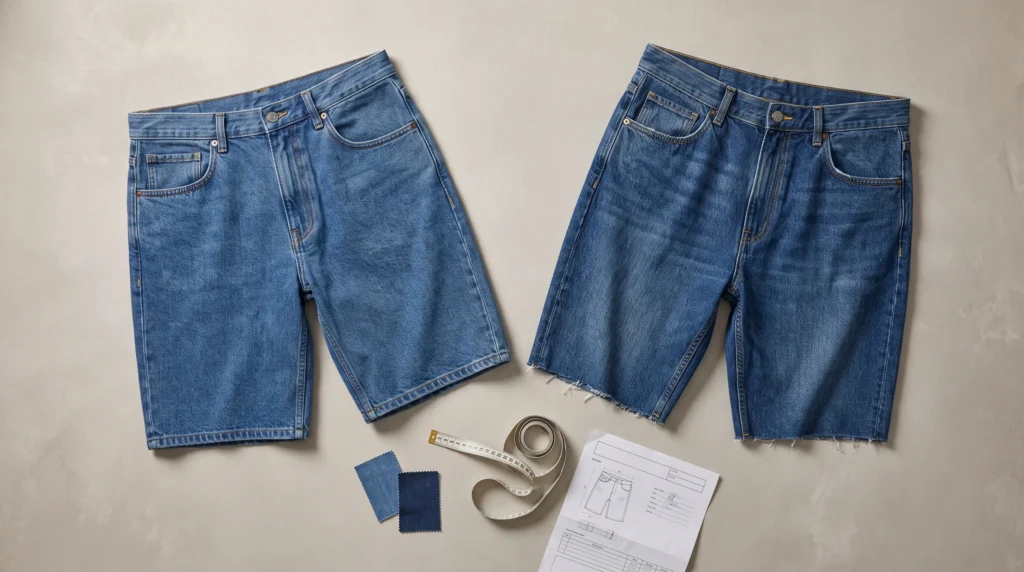
| Jeans | Denim-based pants with denim-specific construction or wash | Rigid, comfort-stretch or stretch denim | Weight, wash, recovery, pockets and trims |
Chinos vs Khakis
Chino and khaki are often used interchangeably, but khaki can also refer specifically to a colour. One brand may use khaki for a tan-coloured chino, while another may treat khakis as a broader casual-pants category.
The buyer should define colour, fabric, fit and construction instead of assuming that every supplier interprets the two words in the same way.
Chinos vs Trousers
Trousers is a broader category. Chinos can be considered one type of trouser, while trousers may also include formal, tailored, relaxed, uniform, fashion and other woven constructions. A commercial category can therefore contain both chinos and trouser styles without treating them as identical products.
Are Chinos Dress Pants?
Chinos are not automatically dress pants. A clean, dark, pressed chino may work in a refined smart-casual collection, but formal dress pants may use different fabrics, crease standards, waist treatments, linings, pockets and tailoring details.
The intended dress level should be translated into measurable fabric, construction and finishing requirements.
Chinos vs Jeans
Jeans are defined primarily through denim fabric and denim-related construction or finishing, while chinos are more commonly associated with cleaner woven twill surfaces and less denim-specific detailing. Both categories can use similar rises and leg shapes, but their materials and finishing routes may behave differently.
Buyers comparing these woven bottoms can review the types of jeans for women guide for denim-specific information on fits, fabrics, washes and construction.
Are Chinos Business Casual or Formal?
Chinos can support business-casual, casual, uniform-inspired or refined everyday collections. Their positioning depends on more than the product name.
A smooth fabric, controlled fit, clean waistband, restrained pockets, even pressing and darker colour may create a more polished direction. Garment washing, utility pockets, visible topstitching, elastic waist treatments or relaxed silhouettes can move the product toward casualwear.
For brands planning coordinated professional or functional ranges, Asia Sourcing Limited’s women’s workwear category provides a separate commercial reference. Each chino or workwear product should still have its own material, construction and performance specification.
Product-Development Decisions for Apparel Buyers
A buyer’s brief should convert a style idea into information that can be sampled, reviewed and approved. The wider fashion sourcing guide for women’s clothing brands explains why the product should be defined before supplier or quotation comparison.
Define the Target Customer and Use
State the target market, customer profile, selling season, intended use and price position. A fashion chino, office trouser and uniform programme may require different fabric, fit, construction and testing decisions.
Approve a Material Standard
Record composition, weave, weight, colour, stretch, recovery, shrinkage, hand feel and finishing requirements where relevant. An approved physical standard can reduce subjective interpretation.
Specify Fit and Measurements
Include a technical sketch, base size, size range, point-of-measure diagram, measurement chart, grading direction and approved fit reference. Terms such as slim or relaxed should support the specification, not replace it.
Detail Construction and Trims
Define waistband type, belt loops, fly, closures, pocket configuration, seams, stitch appearance, reinforcement, hem, labels and decorative trims. Trims should be suitable for the material, finishing route and target market.
Plan Samples and Approvals
The exact process varies by programme, but buyers may need fabric, colour, fit, size-set, pre-production and other relevant approvals. Comments should be clear, consolidated and version controlled.
What to Include in a Women’s Chino Tech Pack
A practical chino or trouser tech pack may include:
- Style number and precise product description
- Front, back and detail technical drawings
- Intended customer, market, season and end use
- Fabric composition, weave, weight and approved reference
- Colour and finishing direction
- Silhouette, rise and intended fit
- Base size, size range and grading direction
- Point-of-measure diagram
- Measurement chart and tolerances
- Waistband, belt-loop and fly construction
- Pocket type, dimensions and placement
- Darts, pleats and shaping details
- Seam, stitch and reinforcement requirements
- Zipper, button, hook, label and trim details
- Hem and pressing requirements
- Testing and care requirements
- Packaging and presentation instructions
- Approved sample and material references
If fabric, finishing, fit or construction changes after approval, the revised option should be documented and reviewed through an appropriate sample.
Essential Women’s Chino Measurements
The exact measurement list depends on the design, but common points may include:
- Waist circumference or relaxed and extended waist where relevant
- High-hip and full-hip measurements
- Front rise and back rise
- Waistband width
- Thigh width
- Knee width and knee position
- Leg opening
- Inseam
- Outseam or side length
- Front- and back-pocket position
- Pocket opening and depth
- Fly length
- Dart or pleat position and depth
- Hem depth or cuff dimensions
Every point should have a defined measuring method. A description such as hip measured below waistband is incomplete unless the location and method are clear.
Women’s Chino Sample Development and Approval
Product development should move from product direction to documented approval. Buyers can use the following sequence as a planning framework:
- Define the target customer, market and use.
- Confirm silhouette, rise, length and fit direction.
- Select and approve a relevant fabric and colour standard.
- Prepare technical drawings, measurements and construction notes.
- Review the first representative sample for fit and workmanship.
- Check pockets, waistband, fly, seams, leg balance and hem.
- Assess measurements and appearance after the agreed finishing route.
- Record corrections and update the specification.
- Review size progression and other required approval samples.
- Confirm final standards before production evaluation.
A sample should not be approved only because it looks acceptable when laid flat. Fit, movement, balance, measurements and construction should be reviewed together.
Women’s Chino Quality-Control Checklist
Quality control should compare the finished garment with the approved fabric, measurements, construction, workmanship and performance requirements.
Fabric, Colour and Surface
- Fabric composition and reference match the approval
- Colour follows the agreed standard
- Surface and hand feel are consistent with the approved reference
- Unacceptable shade variation is not present
- Fabric defects, skew or unwanted distortion are controlled
- Finishing produces the approved appearance
Fit and Measurements
- Measurements follow the approved method and tolerances
- Waist, hip, rise, thigh, knee, inseam and opening are checked
- Waistband position and shape match the approved fit
- Pockets lie as intended without unwanted gaping
- Side seams and inseams hang correctly
- The leg does not show unacceptable twisting
- Size progression preserves the intended silhouette
Construction and Workmanship
- Waistband, belt loops and closures are securely attached
- Fly alignment and zipper operation are acceptable
- Pockets are level, symmetrical and correctly positioned
- Darts or pleats follow the approved shape
- Seams and topstitching are even and suitable for the material
- Reinforcement is present where specified
- Hem and pressing match the approved standard
Care and Performance Review
- Dimensional change is assessed using the agreed method
- Stretch and recovery are reviewed where relevant
- Colour and surface performance follow applicable requirements
- Closures and trims remain functional after the specified process
- Packaging does not create unacceptable creasing or distortion
Testing methods, tolerances and acceptance criteria should be agreed for the actual product and target market. General phrases such as high quality or export quality are not measurable standards.
Common Chino Product-Development Mistakes
Selecting Fabric by Composition Alone
Two fabrics with similar fibre descriptions can produce different weight, stretch, drape and shrinkage. Approve the exact material in the intended colour and finish.
Copying a Jeans Pattern for Chinos
Similar leg shapes do not make the products interchangeable. Denim and chino fabrics may behave differently, while pocket, waistband, seam and finishing requirements can also change.
Using Undefined Fit Names
Slim, straight, tapered and relaxed are useful descriptions but not measurement systems. Support them with technical drawings, specifications and a fit reference.
Ignoring Waist-to-Hip Shaping
Women’s fit requires deliberate control of waistband shape, darts, rise, hip and seat. A waist measurement alone cannot define the complete upper-body fit of the pants.
Approving Stretch Without Recovery
Extension can improve movement, but insufficient recovery may affect knees, seat and waistband. Evaluate both properties according to the product requirement.
Failing to Review the Finished Sample
Washing, dyeing, pressing or other finishing can change shade, hand feel and measurements. Approval should reflect the intended finished product.
Giving Subjective Quality Instructions
Words such as premium, perfect or export quality do not establish measurable criteria. Use approved standards, measurements, tolerances and relevant test requirements.
How Buyers Should Choose a Women’s Chino Specification
The correct specification connects customer and market needs with measurable product decisions. Buyers should confirm:
- Target customer, market, season and intended use
- Casual, smart-casual, office, uniform or fashion positioning
- Fabric composition, weave, weight, stretch and finish
- Silhouette, rise and finished length
- Waistband and closure construction
- Pocket type, depth and placement
- Darts, pleats, seams, reinforcement and hem
- Measurement chart, grading and tolerances
- Colour and appearance standards
- Care, testing and approval requirements
- Labels, folding and packaging expectations
Brands planning chinos alongside other products can explore Asia Sourcing Limited’s women’s clothing categories while maintaining a separate specification and approval standard for every garment type.
Questions to Ask Before Developing Women’s Chinos
Buyers can ask:
- Which fabric construction supports the intended silhouette and season?
- Does the product need stretch, and how will recovery be evaluated?
- Which rise, waist and hip measurements define the intended fit?
- Should the waistband be straight, contoured, elasticated or otherwise engineered?
- Which front and back pocket types suit the design and function?
- How will fabric colour and finishing affect measurements and appearance?
- Which seams and reinforcement details suit the material and end use?
- Which samples are required before final approval?
- How will graded sizes preserve rise, proportion and leg shape?
- Which testing, tolerance and inspection criteria apply to the programme?
Answers should be confirmed through specifications, material standards, samples and agreed approval criteria rather than general assurances.
Frequently Asked Questions
What are chino pants made of?
Chino pants are commonly made from cotton twill or cotton-blend woven fabrics. Modern chinos may use stretch or other fibre blends. Buyers should specify the exact composition, weave, weight, colour, finish and performance requirements.
What is the difference between chinos and trousers?
Trousers is a broad garment category, while chinos are a more specific type of woven trouser commonly associated with twill fabric and clean casual or smart-casual styling. Terminology varies, so technical details should define the actual product.
Are chinos and khakis the same?
The terms are sometimes used interchangeably, but khaki can also describe a colour. A buyer should clarify whether khaki refers to colour, product type or both and then document the required fabric, fit and construction.
Are chinos considered dress pants?
Not automatically. A refined chino may suit a smart-casual range, while formal dress pants may use different fabrics, crease standards, waist treatments, pockets and tailoring details.
Are chinos business casual?
Chinos can be positioned as business casual when their fabric, fit, colour, pockets, pressing and finish support a polished appearance. More relaxed or utility-inspired versions may be better suited to casual collections.
How should women’s chino pants fit?
Fit depends on the intended silhouette. Waist, hip, rise, seat, thigh, knee and leg opening should work together. Buyers should use a measurement chart and representative fit sample rather than relying only on labels such as slim or relaxed.
What pockets are commonly used in chino pants?
Chinos may use slant, slash or side-entry front pockets and welt, jetted, patch or other back pockets. Pocket dimensions, placement, depth and reinforcement should be specified.
What should buyers check in a chino fit sample?
Check waistband position, waist and hip balance, front and back rise, crotch comfort, pocket behaviour, thigh ease, seam position, leg twist, inseam, hem level, measurements and movement.
Do all chinos use cotton twill?
No. Cotton twill is common, but modern chino fabrics can use blends, stretch components or other woven constructions. The approved fabric standard should define the actual material.
What quality problems should buyers check?
Buyers should check shade, fabric defects, measurements, waistband shape, fly operation, pocket symmetry, seam puckering, skipped stitches, leg twisting, hem level, trim attachment and performance against agreed requirements.
Develop a Better Women’s Chino and Trouser Collection
The question “what are chino pants?” is only the starting point. A successful women’s chino connects fabric, fit, rise, waistband, pockets, construction, measurements and finishing with the intended customer and market.
Fashion brands and apparel buyers can review Asia Sourcing Limited’s women’s chino and trouser range through the commercial collection linked above. To discuss a sourcing project, buyers may contact Asia Sourcing Limited with their technical drawings, fabric direction, measurements, size range and quality requirements.