Types of Women’s Tops: Styles, Fabrics, Fits & Product Development Guide
Understanding the different types of women’s tops is important for fashion brands, retailers, wholesalers, importers, and private-label buyers developing a commercially relevant apparel collection. A top may appear simple at first, but decisions about fabric, silhouette, fit, construction, trims, decoration, and finishing can significantly change the final product.
For buyers, the objective is not simply to choose a style that looks attractive. The selected garment also needs to suit the target customer, season, intended use, brand positioning, fabric requirements, and overall product-development strategy.
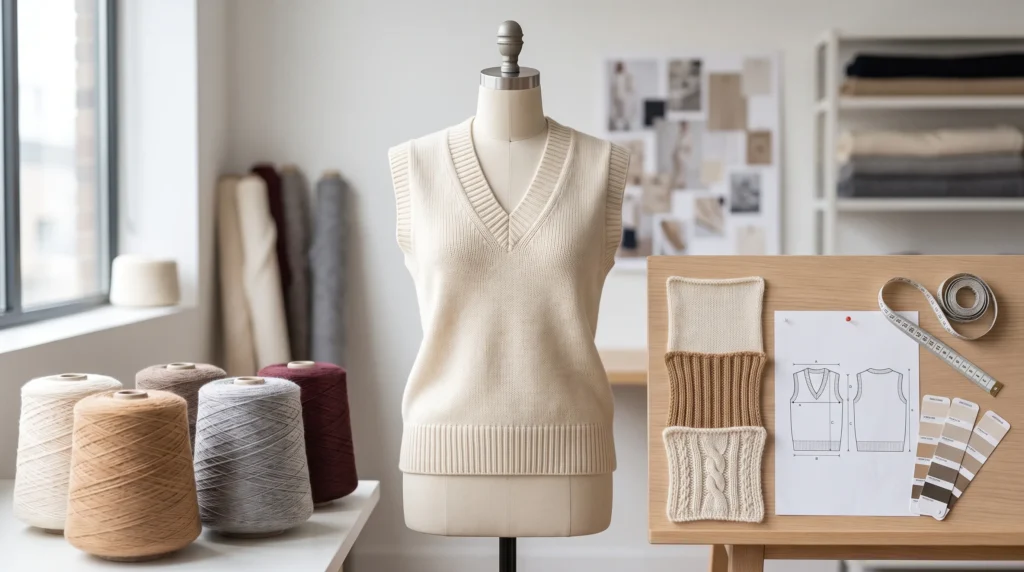
Some women’s tops depend on soft knitted fabrics and stretch. Others use woven materials to create structure or fluid drape. Polo shirts add collar and placket considerations, while sweater vests introduce yarn and knit-gauge decisions.
Brands developing a collection can explore Asia Sourcing Limited’s women’s tops collection alongside this guide to compare relevant garment categories.
This article explains the major types of women’s tops, how their fabrics and fits differ, and what fashion buyers should consider during product development.
What Are the Main Types of Women’s Tops?
There are many different types of tops for women, but several categories are especially relevant when planning a commercial apparel range.
These commonly include knitted T-shirts, knitted polo shirts, woven blouses, structured woven or suit-related tops, knitted vests and sweater vests, and woven vests or waistcoats.
Each requires a different development approach.
A knitted T-shirt may depend heavily on fabric composition, GSM, stretch, neckline construction, and fit. A blouse may require more attention to drape, opacity, seam construction, collars, cuffs, and buttons. A knitted vest introduces decisions around yarn, gauge, rib structure, and shape retention.
For buyers, understanding these differences makes it easier to prepare clearer specifications and discuss the project with an appropriate sourcing partner.
Women’s Knitted T-Shirts
Women’s knitted T-shirts are among the most versatile women’s top categories.
They can be developed as basic everyday garments, fitted pieces, oversized silhouettes, cropped styles, premium basics, promotional apparel, or private-label collection staples.
Fabric plays a major role in how a T-shirt looks and performs. Important factors can include fabric composition, knit structure, GSM, softness, breathability, stretch, recovery, surface appearance, and drape.
A lighter material may create a softer, more fluid silhouette, while a heavier material can provide greater body and structure. Higher GSM, however, does not automatically mean a better garment. Fabric weight should match the intended product.
Fit also needs to be clearly defined.
A fitted T-shirt requires different measurement relationships from an oversized or relaxed style. Shoulder position, body width, waist shaping, sleeve dimensions, neckline, and garment length can all change the visual result.
Decoration should also be planned alongside the fabric. Printing, embroidery, labels, patches, and other branding elements may perform differently depending on the material and surface.
For buyers, the T-shirt therefore needs to be developed as a complete product rather than selected only by fabric color or unit price.
Women’s Knitted Polo Shirts
Women’s knitted polo shirts combine the comfort of knitwear with more structured details such as a collar and front placket.
They can be suitable for smart-casual collections, uniforms, lifestyle apparel, branded products, and private-label ranges.
One major product-development decision is the fabric.
Pique and jersey represent two common directions. Pique typically provides a textured surface associated with the traditional polo look, while jersey may offer a smoother and softer appearance.
The right choice depends on the intended positioning, structure, comfort, weight, and end use.
GSM is another consideration. A lighter fabric may offer greater softness and flexibility, while a heavier material can create additional structure.
Again, GSM should support the garment design rather than being treated as a standalone measure of quality.
The collar and placket also require planning. Buyers may need to define collar structure, collar shape, placket length, button quantity, button style, reinforcement, stitching, and branding placement.
Women’s polo shirts can also vary significantly in silhouette, from fitted shapes to relaxed or unisex-inspired proportions.
Women’s Woven Blouses and Suit Tops
Women’s woven suits and blouses require a different development approach from knitted T-shirts and polo shirts.
Woven materials generally provide less natural stretch than common knit structures, which means pattern shape, measurements, ease, fabric behavior, and seam construction become especially important.
Women’s blouses can range from relaxed and oversized styles to fitted, structured, formal, casual, or fluid silhouettes.
Fabric selection affects nearly every part of the product.
A soft woven material may create an elegant flowing silhouette, while a more structured fabric may support sharper shapes and tailored details.
Important fabric considerations include drape, opacity, texture, weight, breathability, stability, hand feel, and care requirements.
Construction may involve collars, cuffs, plackets, buttons, darts, gathers, pleats, yokes, pockets, linings, or specialized seam finishes.
Suit-related tops can introduce additional structural considerations if they need to coordinate with trousers, skirts, jackets, or other pieces in the collection.
For that reason, blouse development should involve more than simply choosing an attractive woven fabric.
Women’s Knitted Vests and Sweater Vests
Women’s knitted vests and sweater vests have different technical requirements from cut-and-sew T-shirts.
Their development may begin with yarn rather than finished fabric.
Important decisions include yarn composition, yarn thickness, gauge, knit structure, rib construction, neckline, armhole finishing, hem structure, stretch, texture, and shape retention.
Gauge can significantly influence appearance.
A finer gauge may create a smoother, more refined surface, while a chunkier knit can provide greater texture and visual volume.
Fit also matters.
A women’s sweater vest may be fitted, oversized, cropped, boxy, longline, or specifically designed for layering.
A vest intended to be worn over a blouse may require different ease and armhole dimensions from one intended as a standalone garment.
Yarn and knit structure should therefore be considered together with the intended silhouette.
Women’s Woven Vests and Waistcoats
Women’s woven vests and waistcoats can range from relaxed layering garments to highly structured tailored styles.
Unlike knitted sweater vests, these products often depend more heavily on woven outer fabrics, lining, pattern structure, closures, and tailoring details.
A softer woven fabric may work for casual layering, while a more structured waistcoat may require material with greater body and stability.
Lining can also influence comfort, internal finish, structure, and ease of wear.
Construction details may include front buttons, darts, shaping seams, pockets, back panels, adjusters, lining, and edge finishing.
Fit becomes particularly important with structured vests because small differences around the bust, waist, shoulder, armhole, and garment length can significantly change the appearance.
How Fabrics Change the Look and Performance of Women’s Tops
Fabric is one of the most important elements affecting the appearance and performance of different women’s top styles.
For knitted tops, buyers may consider stretch, recovery, softness, breathability, GSM, surface texture, and dimensional stability.
A fabric with greater stretch may work well for closer-fitting garments, while a more stable knit can help create a cleaner or more structured silhouette.
Woven fabrics behave differently.
They generally provide greater structural stability but often less natural stretch. Drape, opacity, texture, breathability, and wrinkle behavior can therefore become more important.
Knitted sweater products introduce another group of variables, including yarn composition, gauge, texture, rib structure, and shape retention.
This means fabric should not be treated as a secondary choice after the style has already been finalized.
Style and fabric should be developed together.
The same silhouette can look and perform very differently when produced in a lightweight fluid material compared with a heavier structured material.
Choosing the Right Fit and Silhouette
Fit is one of the most important considerations in women’s apparel development.
Common silhouettes include fitted, regular, relaxed, oversized, cropped, longline, structured, and draped styles.
Each requires a different relationship between the garment measurements and the intended body shape.
A fitted top may require controlled shaping through the bust, waist, and hip area.
An oversized garment can require greater body width, shoulder extension, sleeve adjustments, and added volume.
Cropped styles introduce another factor: proportion. The garment length needs to work with the neckline, sleeve shape, hem width, and overall silhouette.
Fabric behavior should also be considered.
A stretch knit follows the body differently from a stable woven fabric. A soft draped material can create movement, while a structured material may hold a much more defined shape.
For apparel buyers, this means fabric and fit should not be approved independently.
Key Product Development Decisions for Women’s Tops
Strong fashion product development begins with clear decisions before supplier discussions become too detailed.
Buyers should ideally define the style, intended customer, fabric direction, fit, measurements, color, trims, decoration, branding, and packaging expectations.
For a broader understanding of supplier selection, fabrics, sampling, and production planning, buyers can also review our fashion sourcing guide for women’s clothing brands.
Product Specification
The product specification should describe the garment clearly enough for development to begin.
It may include design sketches, measurements, materials, construction details, trims, labels, colors, and decoration instructions.
Fabric and Color
A buyer should define the required fabric characteristics rather than relying on descriptions such as “premium material.”
Composition, weight, stretch, texture, drape, surface, and performance may all be relevant.
Measurement Chart
Clear measurement points support more effective apparel product development.
The intended fit should also be defined instead of assuming the supplier will automatically interpret it correctly.
Trims and Closures
Buttons, zippers, rib, elastics, labels, cords, and decorative components may affect appearance and construction.
These details should be considered early enough to be reviewed during sampling.
Printing and Embroidery
Decoration should be developed together with the garment.
Placement, size, surface suitability, colors, and overall visual balance all need consideration.
Labels and Branding
Main labels, size labels, care labels, hangtags, patches, and branded trims should form part of the product specification.
Packaging
Packaging may influence folding, presentation, labeling, and final preparation.
Together, these decisions provide a stronger foundation for clothing product development.
Sampling Women’s Tops Before Production
Sampling is the point where a design concept becomes a physical product that can be evaluated.
For women’s tops, buyers should review fit, fabric behavior, measurements, construction, trims, labels, decoration, and overall appearance.
Feedback should be specific.
Instead of saying “make it looser,” explain where additional ease is required.
Instead of saying “the fabric is wrong,” explain whether the problem relates to weight, stretch, softness, transparency, drape, texture, or surface appearance.
Detailed feedback helps make each revision more useful and gives the supplier a clearer development reference.
Quality Checks Buyers Should Consider
Quality expectations should be discussed before production rather than added only at the end.
For women’s tops, relevant checks may include garment measurements, fabric consistency, stitching, seam appearance, neckline construction, armholes, collar and placket construction, color, trim attachment, printing, embroidery, label placement, finishing, and overall presentation.
Different garments need different checks.
A knitted T-shirt and a structured woven vest should not automatically be evaluated using identical criteria.
The objective is to compare the product against agreed specifications and approved references.
How to Choose the Right Women’s Top for a Collection
The right garment depends on the role it needs to play in the collection.
For casual basics, a knitted T-shirt may provide flexibility and wide styling potential.
For smart-casual or branded apparel, a polo shirt can combine knit comfort with a more structured appearance.
For formal, office, or fashion-led collections, woven blouses can provide many different fabric and silhouette options.
Knitted sweater vests can add texture and layering possibilities.
Woven vests may be better suited to tailored or structured styling.
Buyers should evaluate:
Target customer → season → use case → fabric → silhouette → fit → branding → construction complexity → commercial positioning
A garment should make sense within the overall range rather than being selected simply because a particular style is trending.
Common Women’s Tops Product Development Mistakes
Several common mistakes can make apparel development slower or less predictable.
These include choosing fabric mainly by appearance, ignoring stretch or drape, using unclear measurement charts, making important trim decisions too late, applying the same fit logic to different garment types, skipping proper sample review, overcomplicating decoration, and contacting suppliers before defining the product clearly.
Another frequent problem is assuming all suppliers have equal experience across every women’s top category.
Product specialization and development capability should be considered alongside commercial factors.
Buyers should also avoid comparing prices before confirming that suppliers are quoting against equivalent specifications.
Explore Women’s Tops for Apparel Development
Understanding the different types of women’s tops helps buyers make better decisions about fabric, fit, construction, branding, and product development.
A commercial collection may include knitted T-shirts, polo shirts, woven blouses, sweater vests, woven waistcoats, or a combination of these categories.
Buyers can explore Asia Sourcing Limited’s women’s tops collection to review relevant garment categories before preparing a sourcing brief.
The next step is to define each product in sufficient detail for meaningful development discussions.
That includes materials, measurements, fit, colors, trims, labels, decoration, packaging, and quality expectations.
A clear product brief creates a stronger starting point than approaching a supplier with only a general style idea.
Build a Better Women’s Tops Collection
The many types of women’s tops give fashion brands considerable flexibility, but each style requires a different combination of fabric, fit, construction, and product-development decisions.
Knitted T-shirts depend heavily on fabric and silhouette. Polo shirts introduce collar and placket considerations. Woven blouses require careful attention to drape and construction. Sweater vests add yarn and gauge decisions, while woven vests rely more on structure, lining, tailoring, and fit.
A stronger development process starts by clearly defining the garment, selecting suitable materials, reviewing samples carefully, and establishing measurable product expectations before production.
Explore Asia Sourcing Limited’s women’s tops collection to review relevant product categories, and use our women’s fashion sourcing guide for a broader view of supplier evaluation, sampling, quality control, and apparel sourcing strategy.